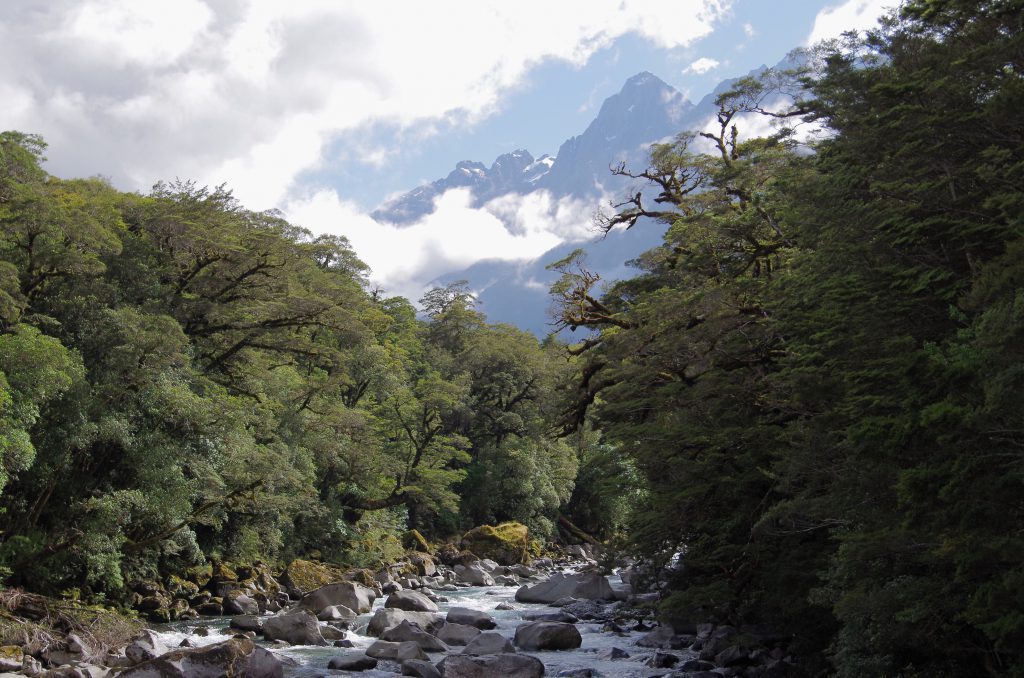
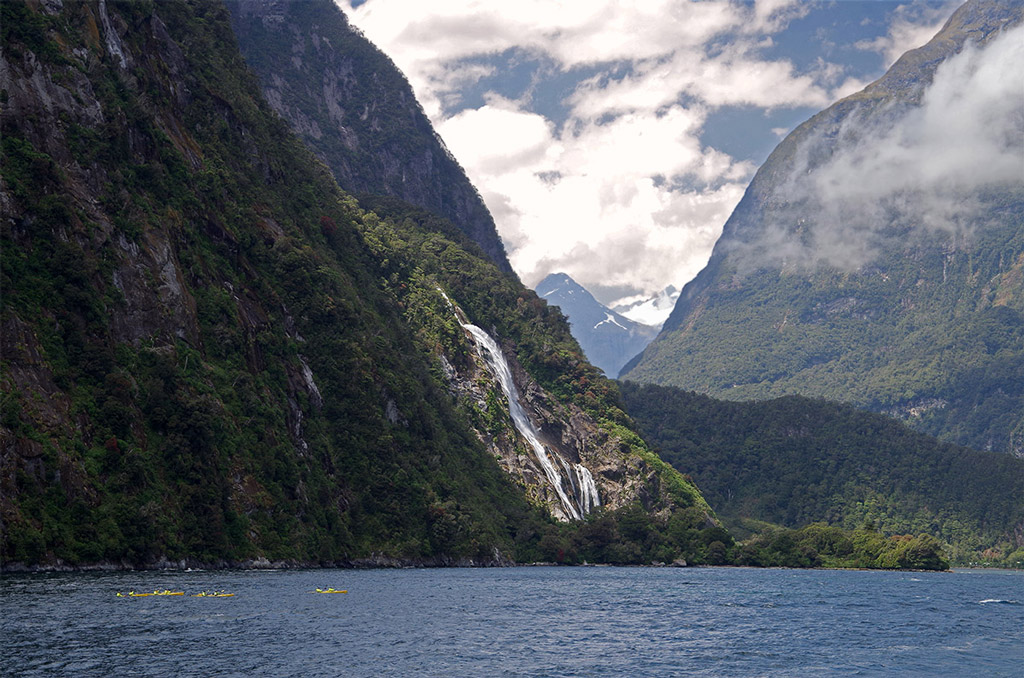
Day six we left Weetbix to rest at the campsite in Te Anau for the day while we let someone else do the driving and commentary on a tour to Milford Sound. We went expecting the weather might not cooperate as it is considered one of the wettest inhabited places on earth. December and January are the wettest months with a whopping 722mm (28.4 inches) average for January alone. It isn’t unusual for there to be 250mm (9.8 inches) of rain in a 24 hour period. In 2016 all records were broken with the annual rainfall of 9259mm (364.5 inches). There was no rain on the day that we went. Much like the rest of the country, they were experiencing unusually dry weather. On the drive there we made a few quick stops for pictures and also because the van we were touring in was an official post vehicle and we had to deliver the mail.
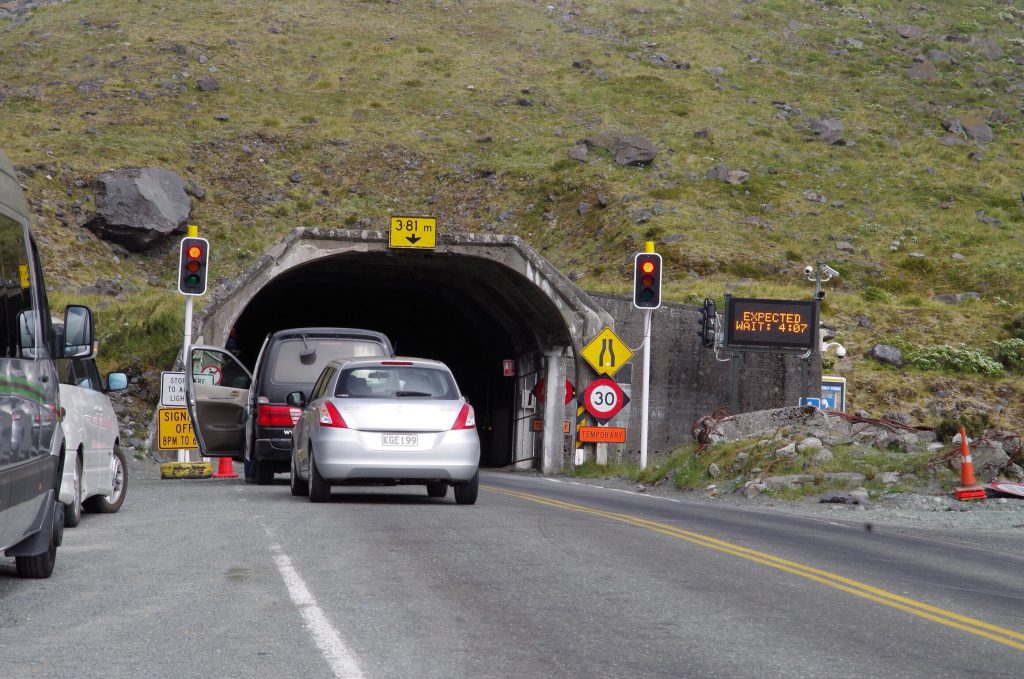
We had to wait at the entrance to the Homer Tunnel for the cars on the other side to go through. It is a 1.2km long tunnel through solid granite. Quite impressive.
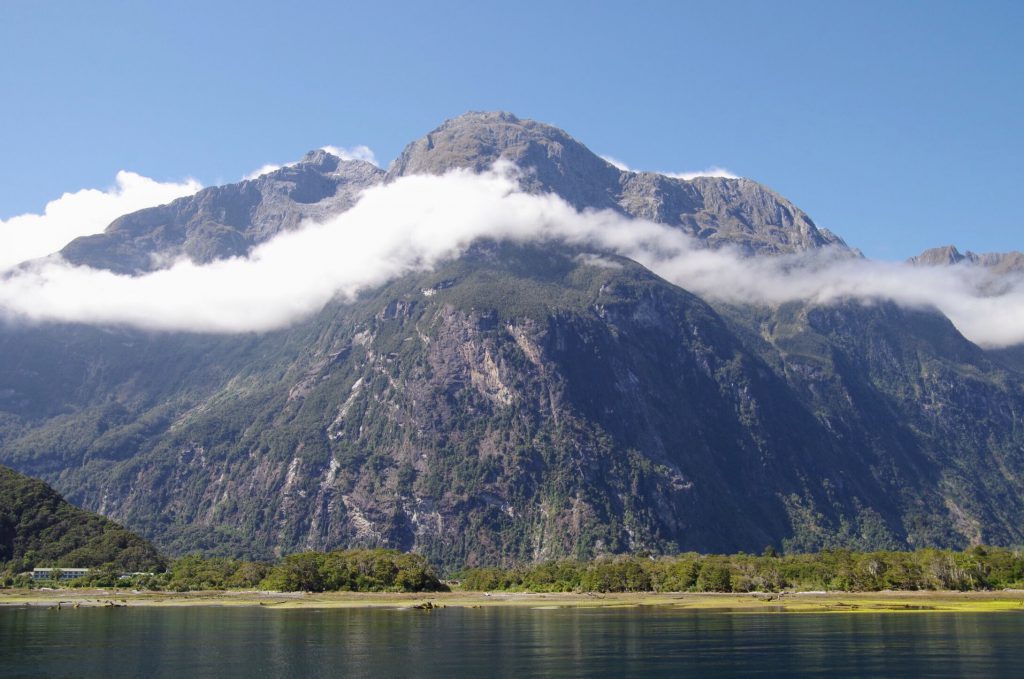
We lucked out on our boat tour as there were only 18 of us on board. In the afternoon that would change as the bus loads arrive from Queenstown, a 4 hour drive away.
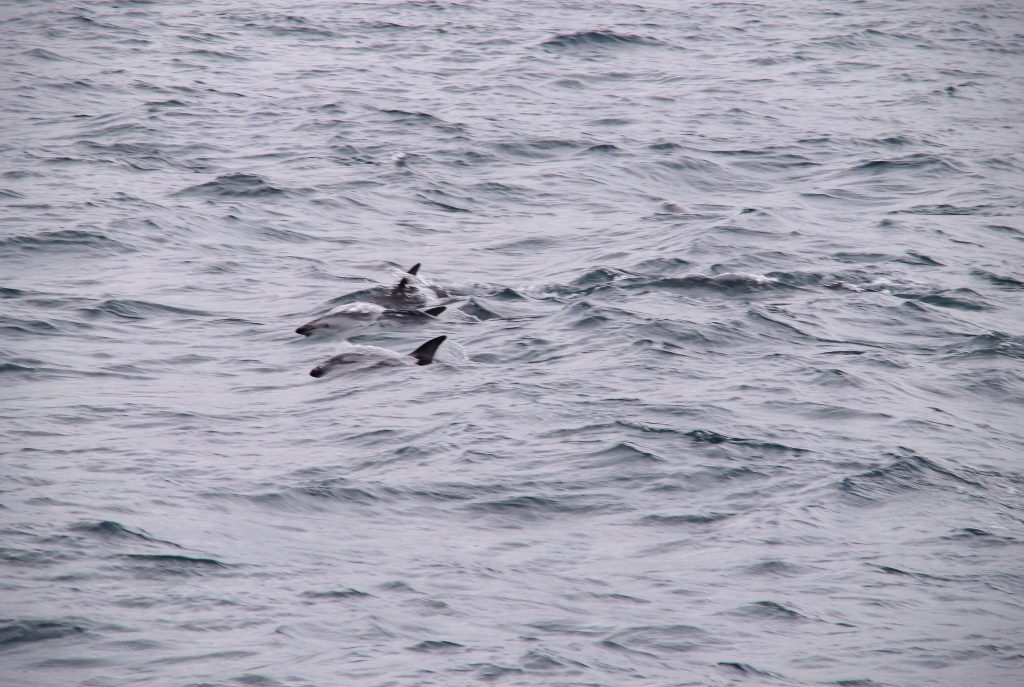
Although not a great picture, we saw these Dusky Dolphins out where the Sound meets the open ocean.
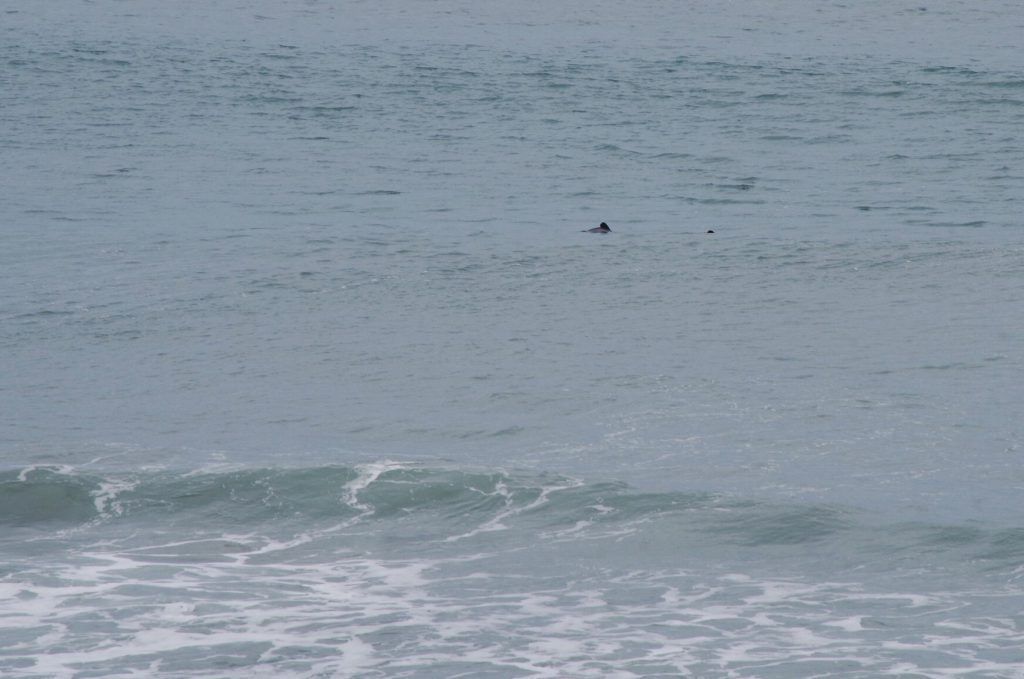
Day seven we drove to Portobello on the Otago Pennisula by way of Te Waewae bay in hopes of seeing one of the smallest and rarest dolphins in the world as they are only found in the waters off New Zealand. We weren’t disappointed. Getting a picture of them proved a little more difficult. The dorsal fin of the Hector’s Dolphin is distinctively rounded making identification rather easy. They are between 3’11” – 5’3″ in length. By comparison, our Pacific White Sided Dolphins are between 5’5″ – 8′.
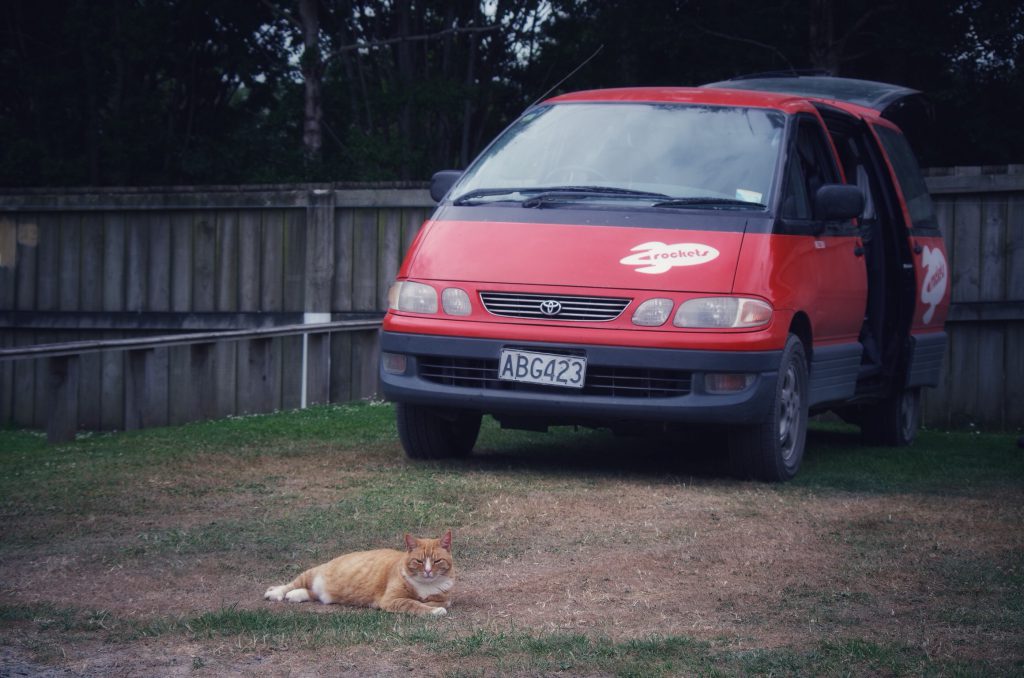
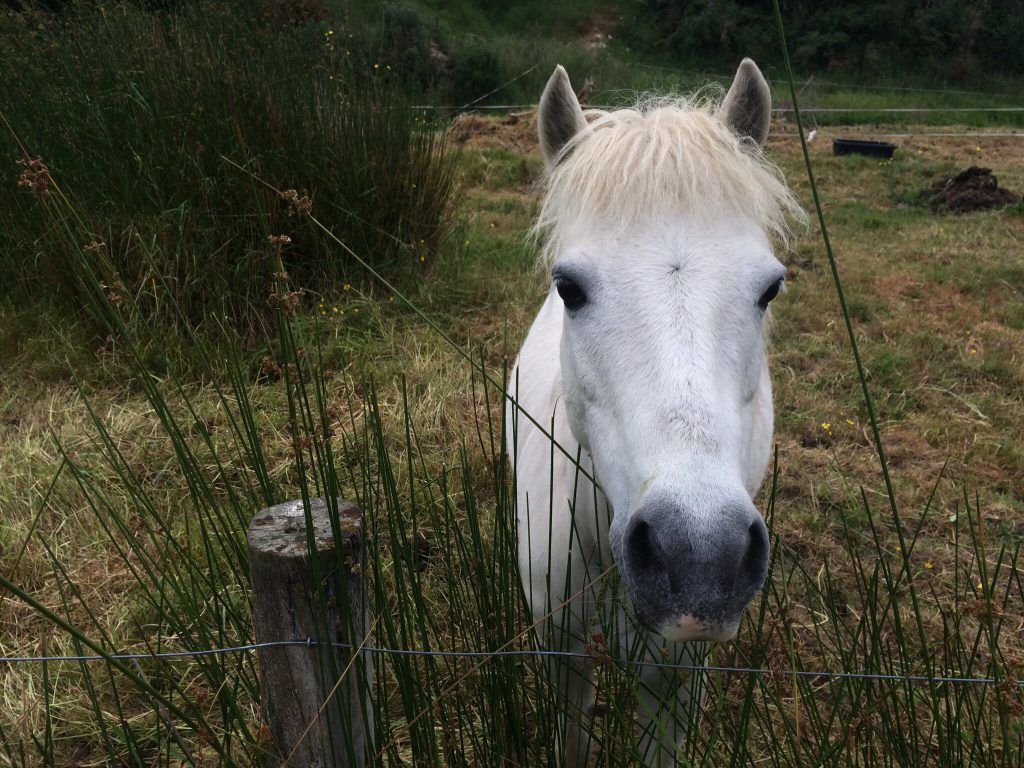
We met some new friends at the campground.
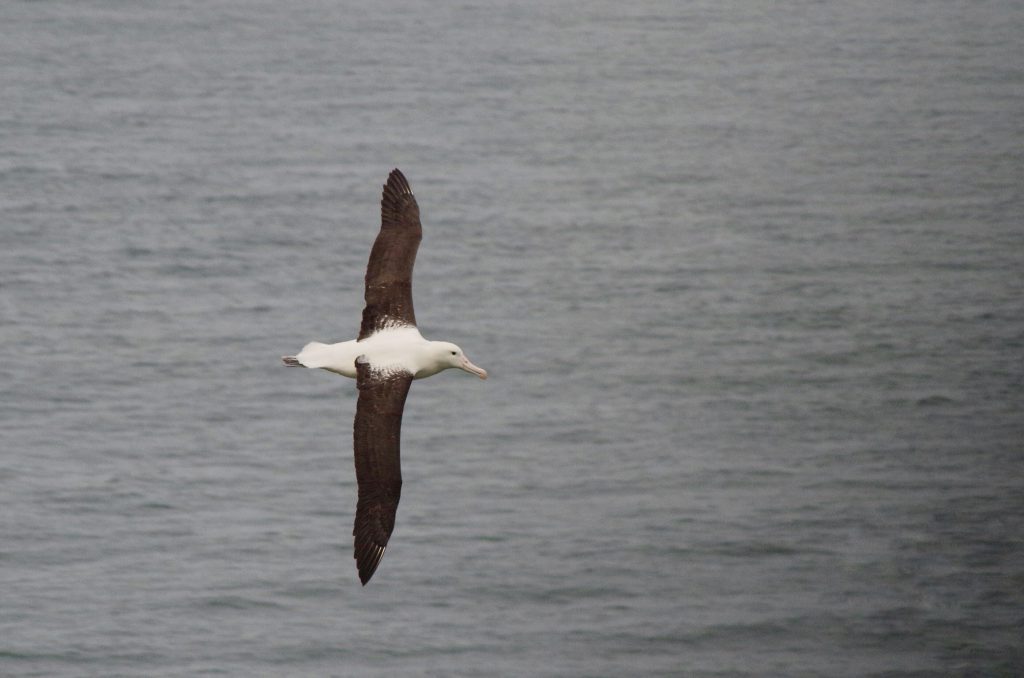
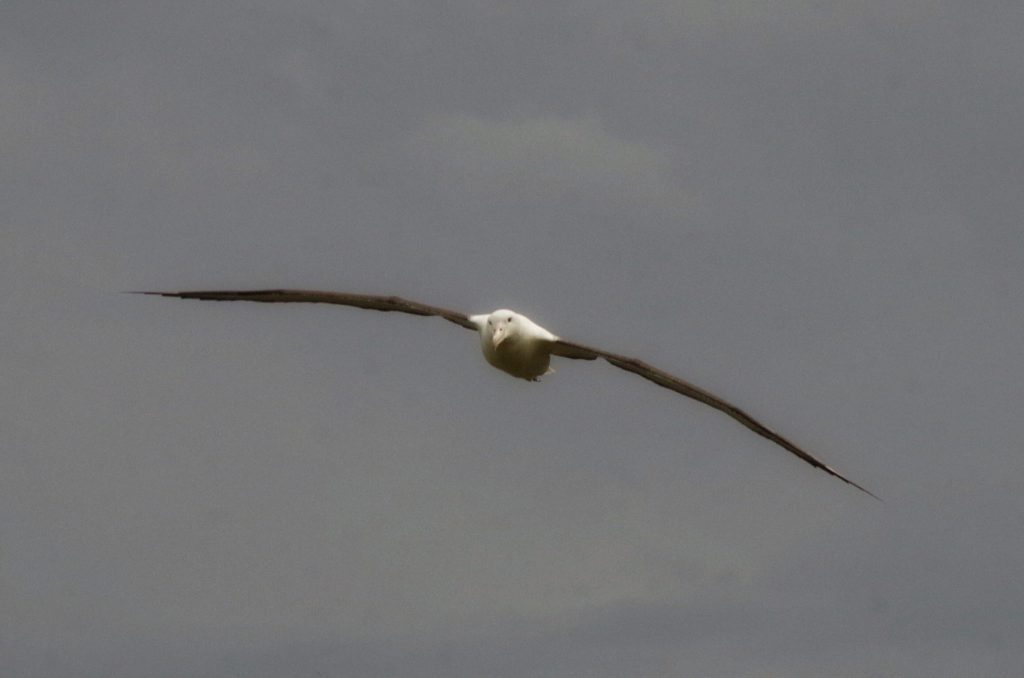
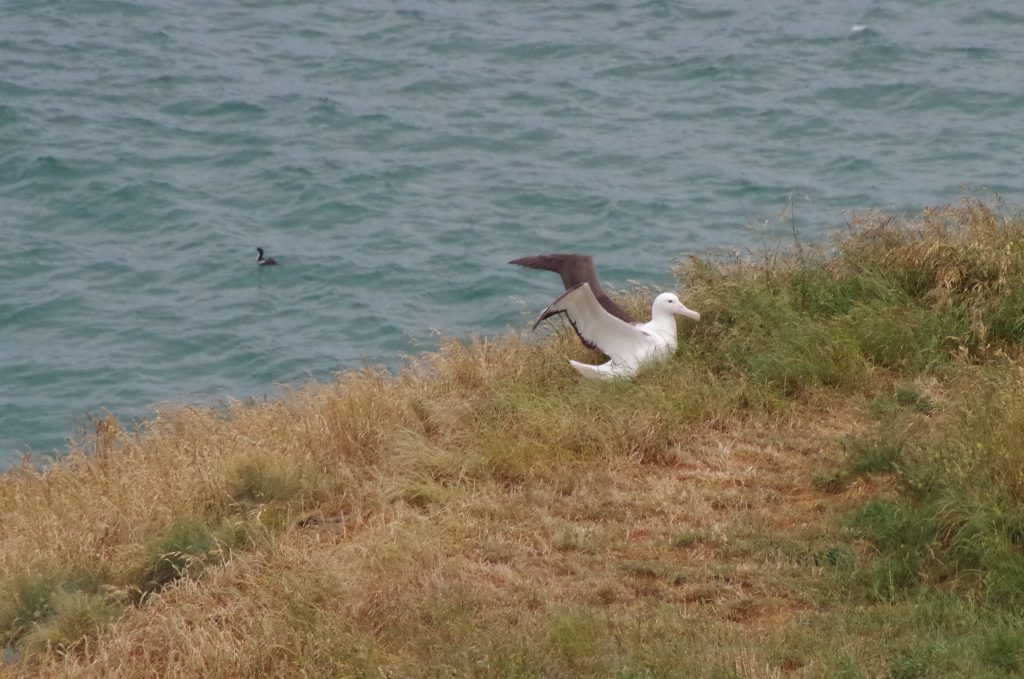
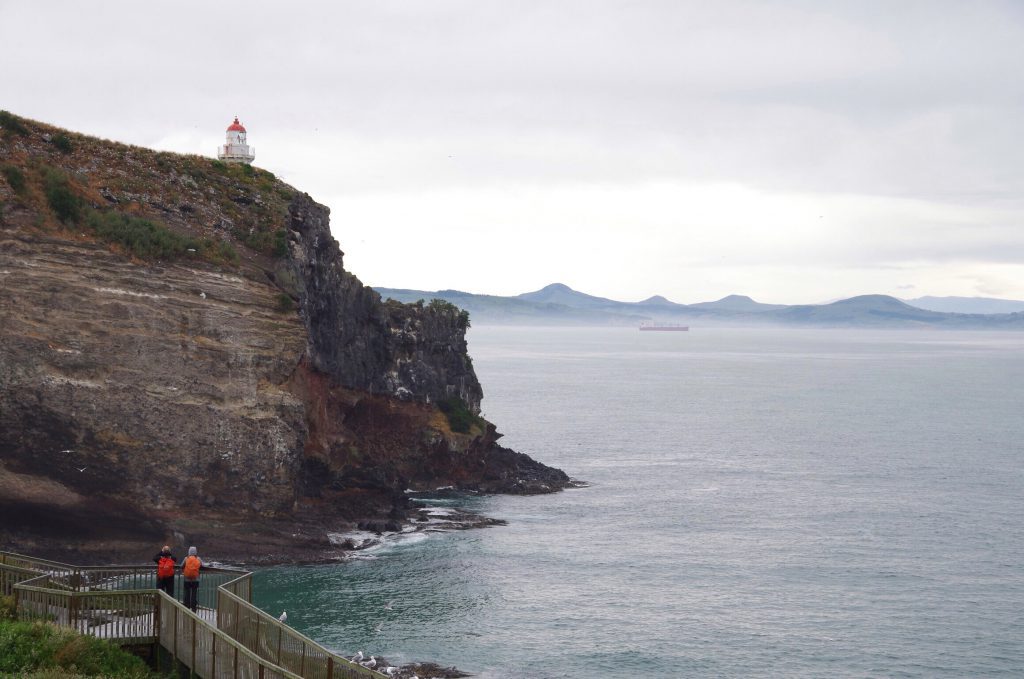
Day eight was another tour day. We visited the Royal Albatross Centre to get a close up view of these amazing birds that live almost their entire life at sea only returning to land to breed every other year. They circumnavigate the Southern Ocean in search of good eats before returning to the place where they hatched to raise a chick of their own.
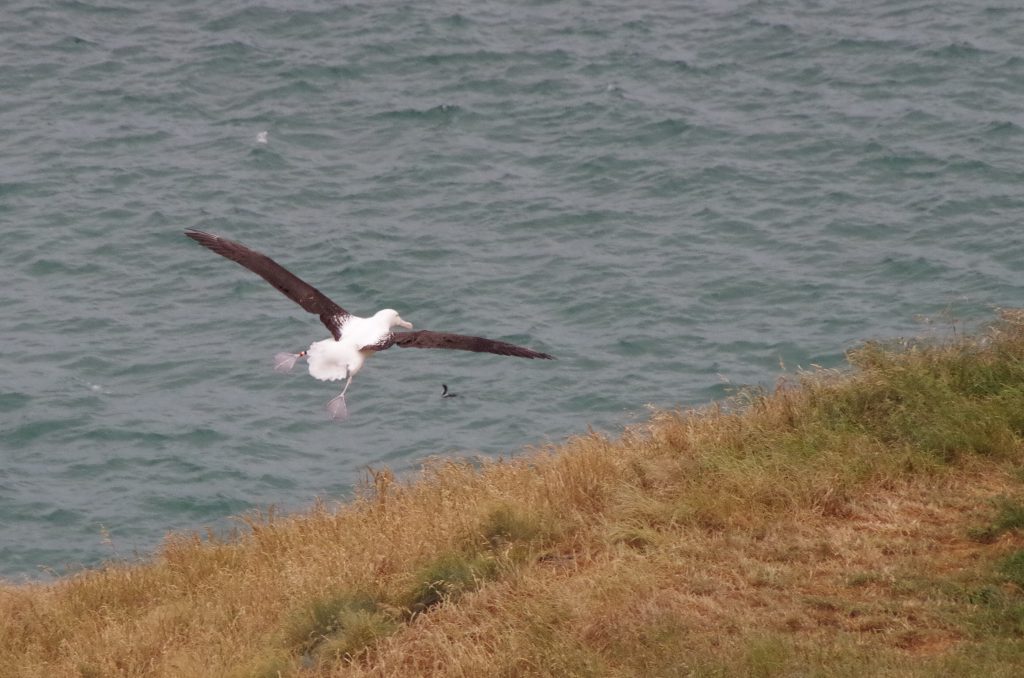
The average wingspan of these birds is over 3 metres so these pictures just can’t adequately capture their size. They are very graceful in flight, more of a gliding, but their landings can be a little rough.
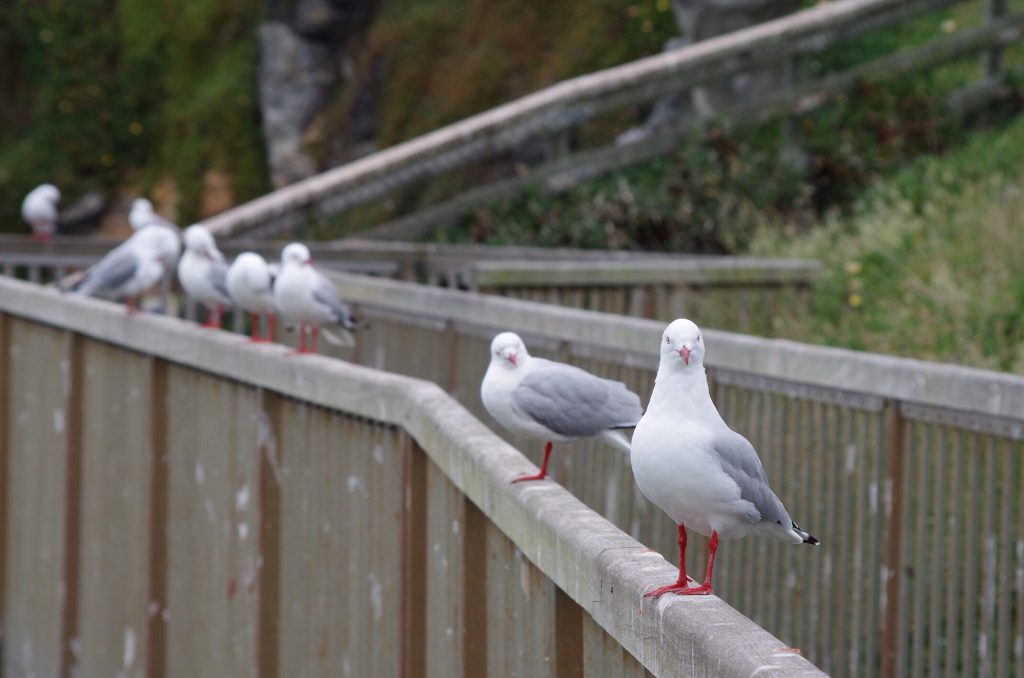
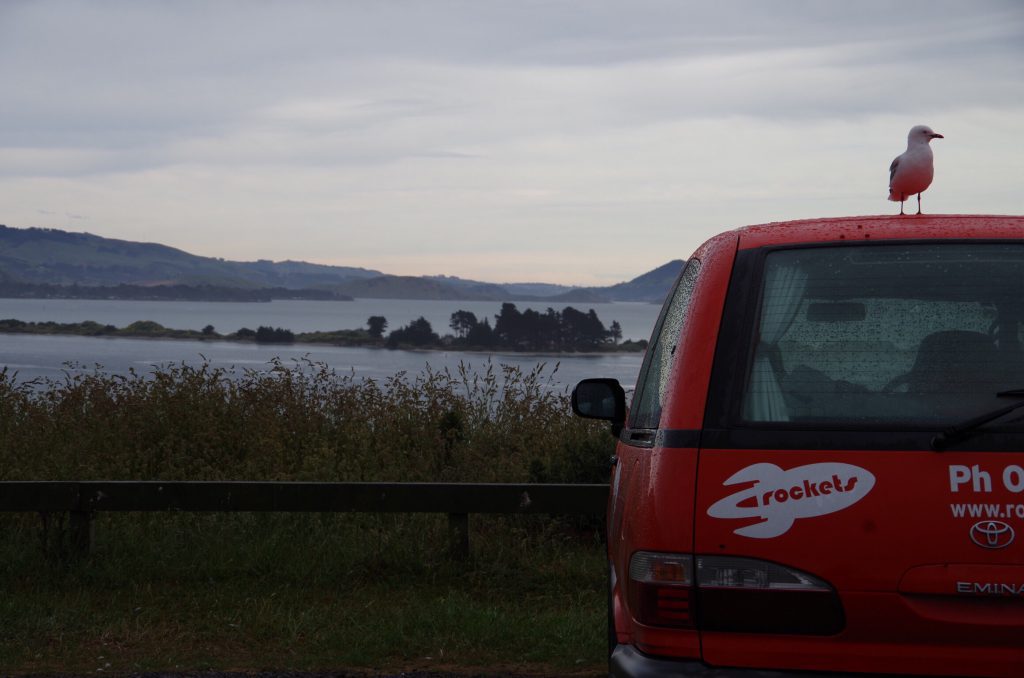
This is the only mainland breeding colony in the world and there are around 200 of them that call this home. They aren’t the only birds to nest here though. Red billed Seagulls are everywhere (around 4000 of them) although they are actually more endangered than the albatross.
We also saw several different Shags. This one was a Spotted Shag.
From there it was on to explore Dunedin. Again I was attracted to the street art so our city walkabout was a little biased. I’ll save that for the next post.
This website uses cookies to improve your experience. We'll assume you're ok with this, but you can opt-out if you wish.AcceptRejectRead More
Privacy & Cookies Policy
Privacy Overview
This website uses cookies to improve your experience while you navigate through the website. Out of these, the cookies that are categorized as necessary are stored on your browser as they are essential for the working of basic functionalities of the website. We also use third-party cookies that help us analyze and understand how you use this website. These cookies will be stored in your browser only with your consent. You also have the option to opt-out of these cookies. But opting out of some of these cookies may affect your browsing experience.
Necessary cookies are absolutely essential for the website to function properly. This category only includes cookies that ensures basic functionalities and security features of the website. These cookies do not store any personal information.
Functional cookies help to perform certain functionalities like sharing the content of the website on social media platforms, collect feedbacks, and other third-party features.
Cookie
Duration
Description
lang
1 month
LinkedIn sets this cookie to remember a user's language setting.
S
1 year 1 month
Used by Yahoo to provide ads, content or analytics.
Performance cookies are used to understand and analyze the key performance indexes of the website which helps in delivering a better user experience for the visitors.
Cookie
Duration
Description
cjae
1 year 1 month
The cookie is set by the provider Dotomi. This cookie is used to record visitor behaviour.
Analytical cookies are used to understand how visitors interact with the website. These cookies help provide information on metrics the number of visitors, bounce rate, traffic source, etc.
Cookie
Duration
Description
__gads
1 year 24 days
The __gads cookie, set by Google, is stored under DoubleClick domain and tracks the number of times users see an advert, measures the success of the campaign and calculates its revenue. This cookie can only be read from the domain they are set on and will not track any data while browsing through other sites.
_ga
2 years
The _ga cookie, installed by Google Analytics, calculates visitor, session and campaign data and also keeps track of site usage for the site's analytics report. The cookie stores information anonymously and assigns a randomly generated number to recognize unique visitors.
_ga_WB5R5VY1YV
2 years
This cookie is installed by Google Analytics.
_gat_gtag_UA_124537433_1
1 minute
Set by Google to distinguish users.
_gid
1 day
Installed by Google Analytics, _gid cookie stores information on how visitors use a website, while also creating an analytics report of the website's performance. Some of the data that are collected include the number of visitors, their source, and the pages they visit anonymously.
CJSession
session
This cookie is set by the provider CJ affiliate by Coversant. This cookie is used to track the time stamp of initial CJ related event on current browser session.
CONSENT
2 years
YouTube sets this cookie via embedded youtube-videos and registers anonymous statistical data.
Advertisement cookies are used to provide visitors with relevant ads and marketing campaigns. These cookies track visitors across websites and collect information to provide customized ads.
Cookie
Duration
Description
DotomiUser
1 year 1 month
This cookie is set by the provider Dotomi. This cookie is used for sales/lead correlation and for targeting and marketing purposes. it is used to store unique surfer ID.
DSID
1 hour
This cookie is set by DoubleClick to note the user's specific user identity. It contains a hashed/encrypted unique ID.
IDE
1 year 24 days
Google DoubleClick IDE cookies are used to store information about how the user uses the website to present them with relevant ads and according to the user profile.
test_cookie
15 minutes
The test_cookie is set by doubleclick.net and is used to determine if the user's browser supports cookies.
VISITOR_INFO1_LIVE
5 months 27 days
A cookie set by YouTube to measure bandwidth that determines whether the user gets the new or old player interface.
YSC
session
YSC cookie is set by Youtube and is used to track the views of embedded videos on Youtube pages.








Wow! Happy New Year!!!! Love AT